The honest verdict
Is the Accademia Gallery Worth It? An Honest Answer
A guide who walks these rooms every week on whether the most famous statue on earth earns your morning.
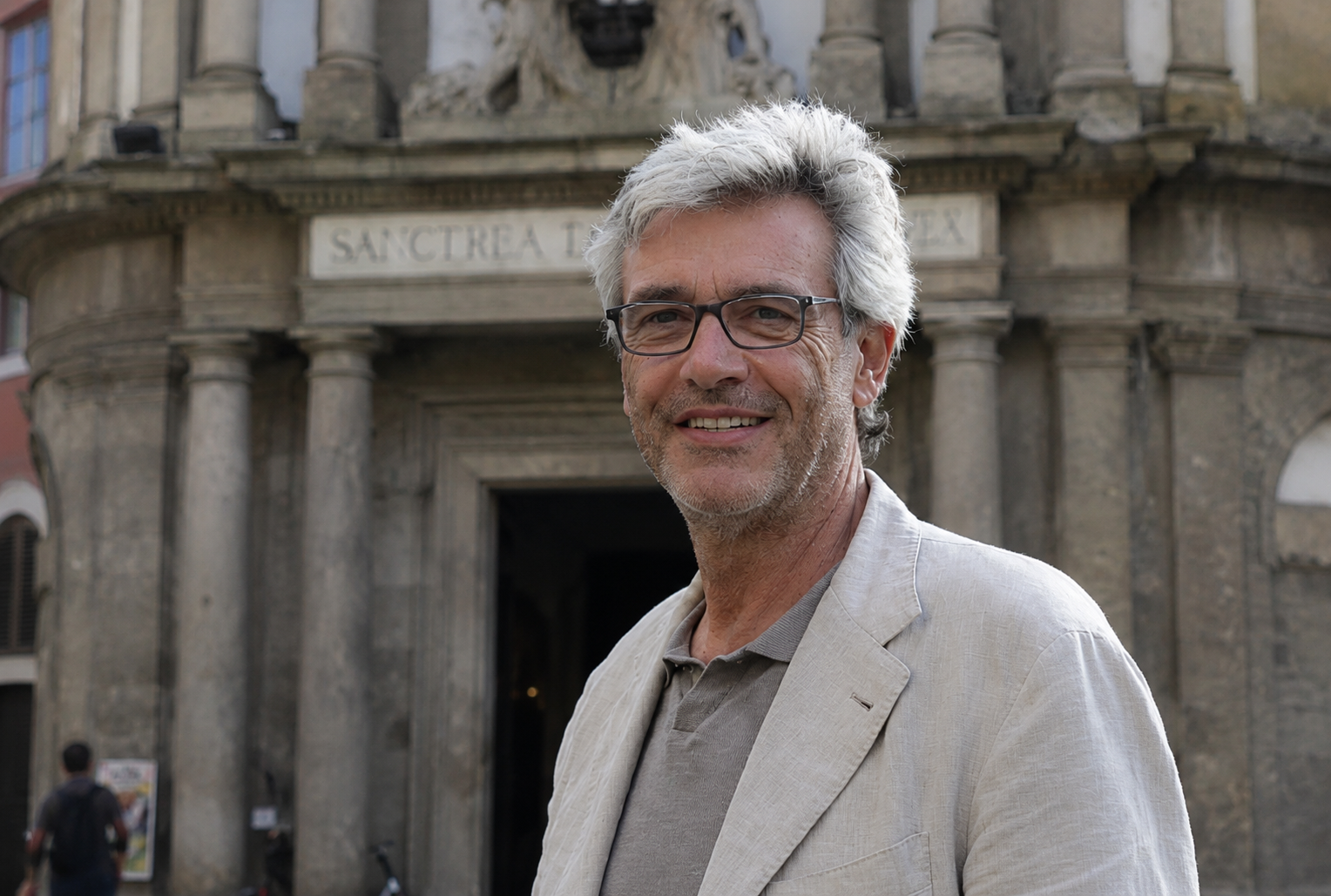 Written with Luca Moretti, Florence Accademia Gallery guide and skip-the-line specialist
Short answer
Yes, if David matters to you at all. The original has stood here since 1873, all 5.17 metres of him, and no photograph prepares you for the scale. A focused visit takes 60 to 90 minutes and costs 24 EUR through the official channel or at a variable provider price with services attached, modest by Florence standards. Skip it only if Renaissance sculpture genuinely leaves you cold, in which case the Uffizi will bore you too.
Every week I watch it happen at the end of the corridor. A guest who has seen David on a thousand postcards turns the corner, stops mid-sentence, and just looks up. Sometimes they laugh. Once in a while somebody cries. I have guided more than a thousand people through this building since 2022, and that moment has never once failed to land. So when someone asks me, usually while weighing a packed Florence itinerary, whether the Accademia is worth it, I give them the honest version rather than the tour-guide version. They are not always the same answer.
Is the Accademia Gallery worth visiting?
Yes, for almost everyone, because the original David is here and nowhere else, and the real thing at 5.17 metres is a different experience from every photo of it. The visit is short, 60 to 90 minutes, and the cost is modest for Florence. It disappoints mainly people expecting a second Uffizi.
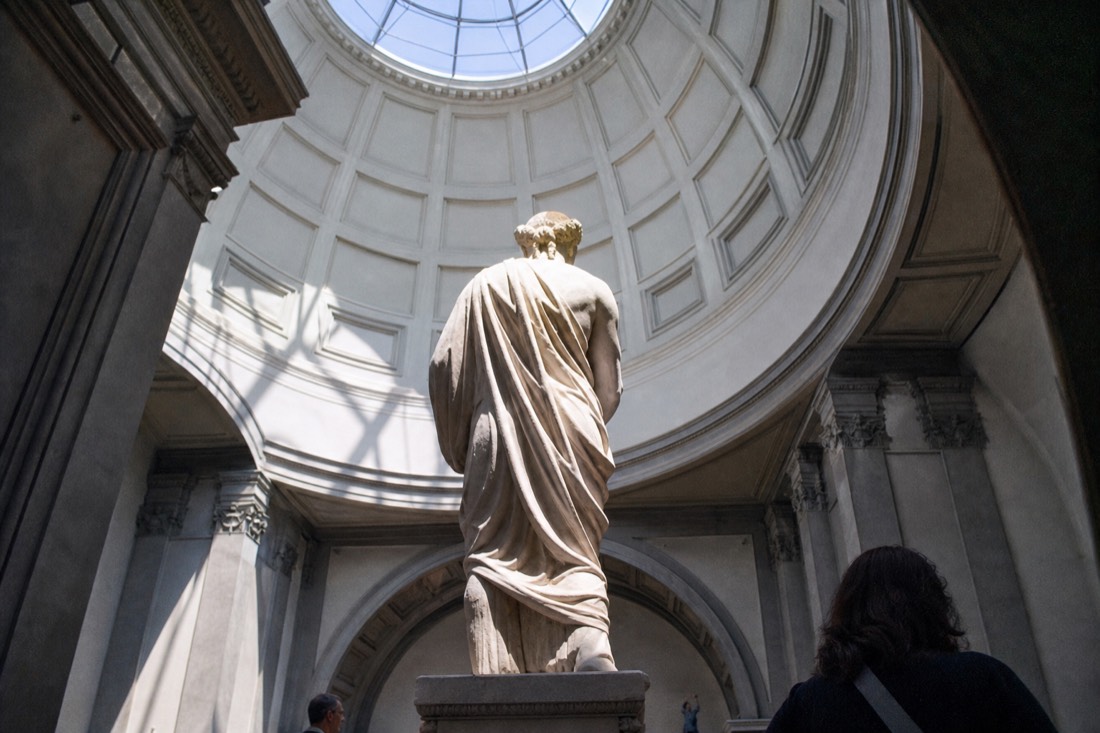
The case for going rests on one fact: this is the original statue, moved indoors from Piazza della Signoria in 1873 to save the marble. The figure outside the Palazzo Vecchio today is a replica from 1910, and the bronze up at Piazzale Michelangelo was cast in 1875. Plenty of visitors photograph a copy and never learn the difference. Standing under the real one, you see what copies flatten: the veins in the right hand, the slightly oversized head built to be read from below, the tension in a body carved from a block two other sculptors had already given up on.
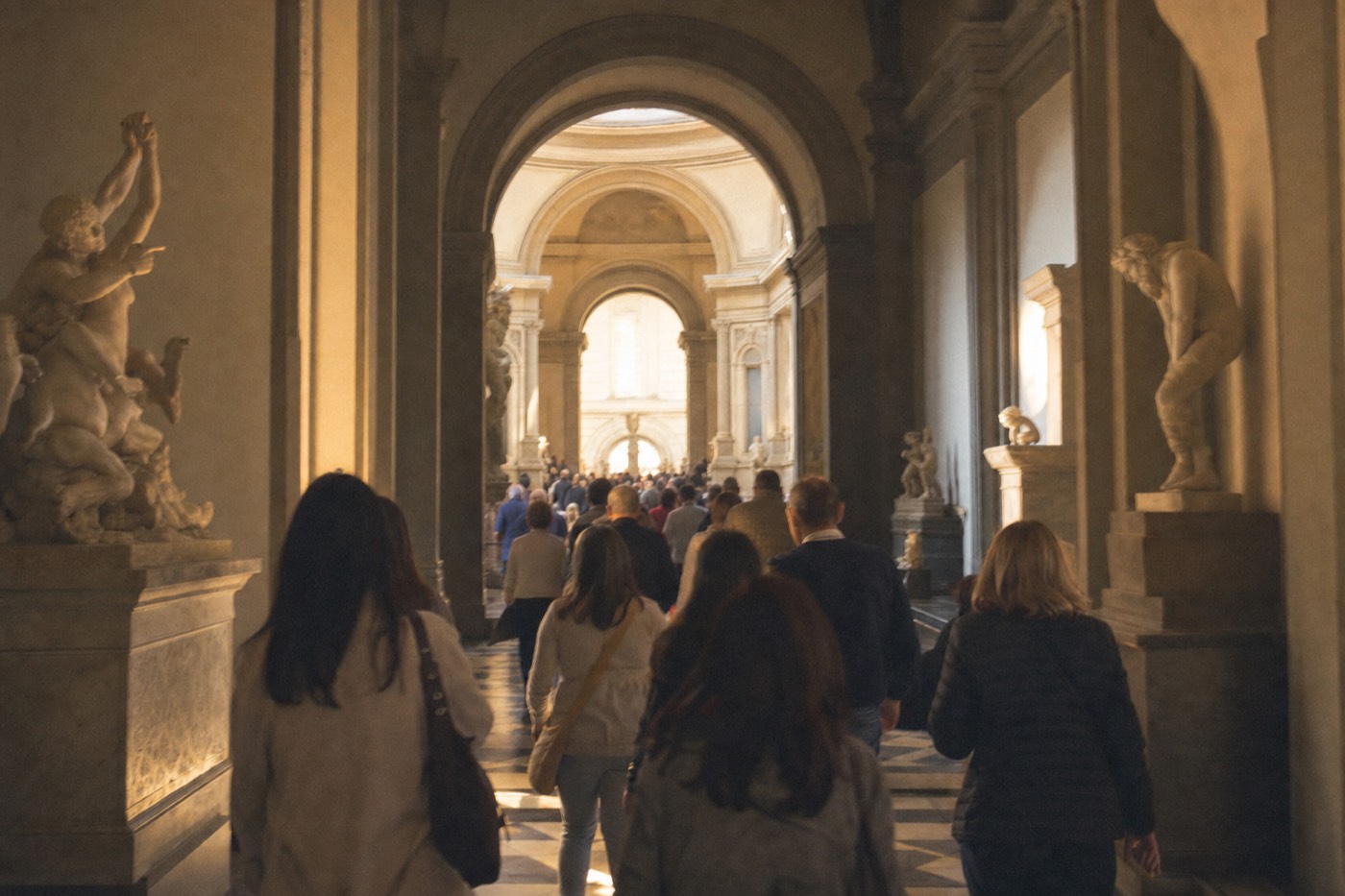
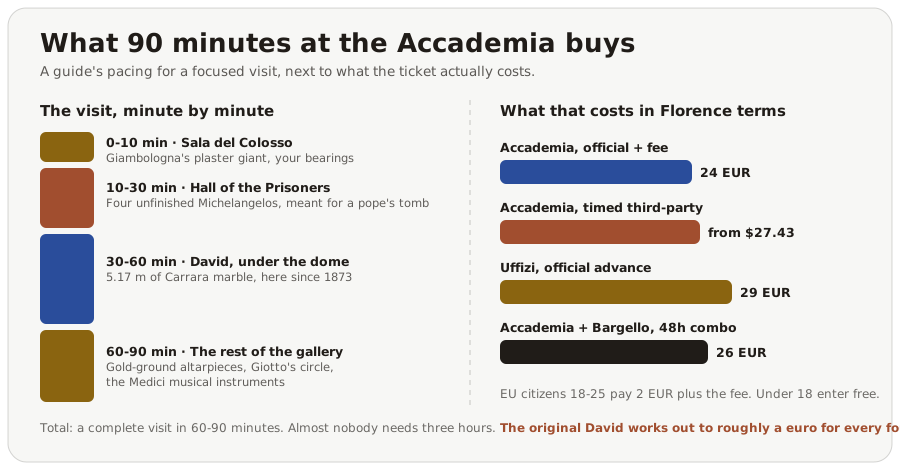
The museum around him is small, and I mean that as a compliment. Here is what a normal visit actually contains, with the timings I use when I pace a group. A fuller minute-by-minute plan lives in how long the Accademia takes.
| What you see | Why it matters | Honest time |
|---|---|---|
| David, under the skylit tribune | The original, since 1873; carved 1501-1504 | 20-30 minutes |
| The four Prisoners | Unfinished Michelangelos meant for Pope Julius II's tomb | 15-20 minutes |
| Sala del Colosso | Giambologna's full-size plaster model, gold-ground paintings | 10-15 minutes |
| Musical instruments and painting rooms | Medici court instruments, Florentine altarpieces | 15-25 minutes |
What do you actually get for the ticket price?
A full-price official ticket costs 20 EUR plus a 4 EUR booking fee, so 24 EUR reserved, while third-party timed tickets start at a variable provider price with extras like flexible cancellation and luggage storage. EU citizens aged 18 to 25 pay 2 EUR plus the fee, and under 18s enter free.
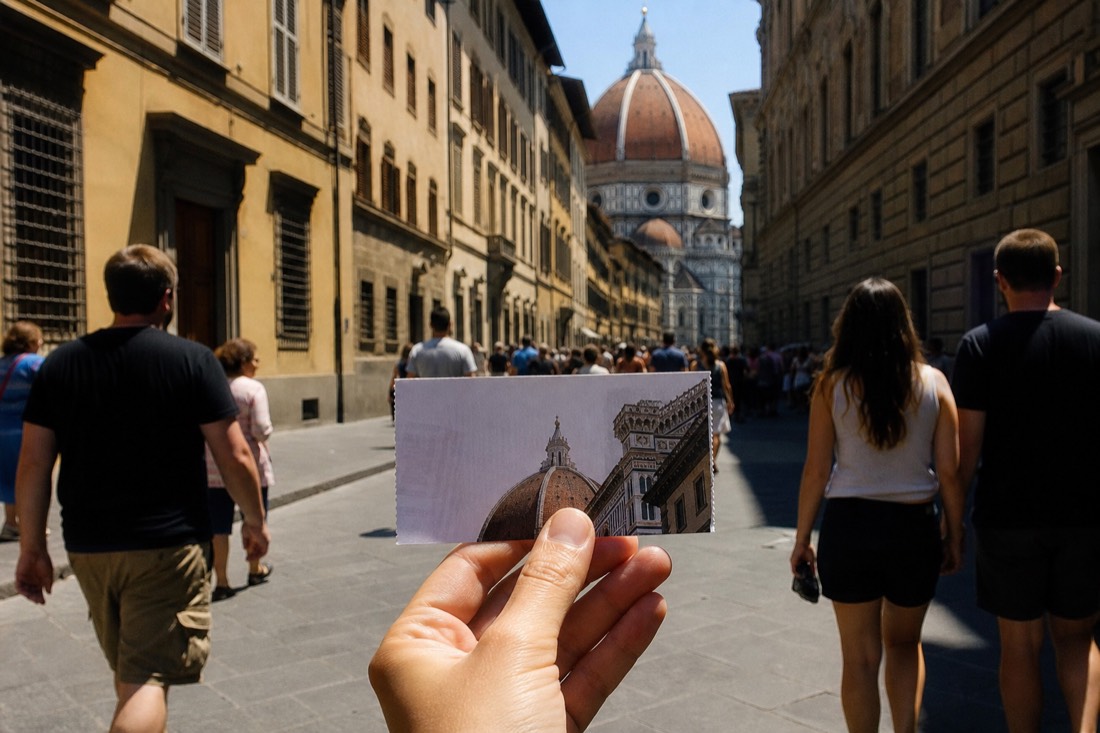
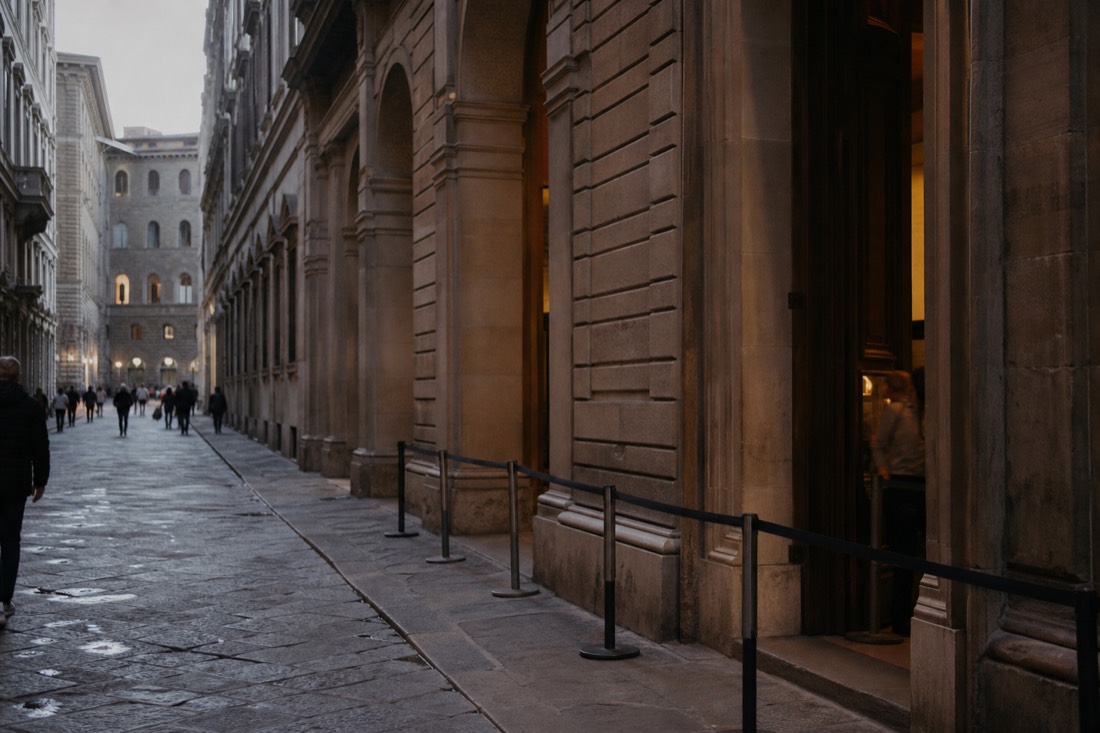
The official price list is refreshingly plain once you decode it. What trips people up is comparing a bare walk-up price against a reserved one. In season, an unreserved ticket carries a hidden cost measured in queue time, commonly one to two hours of it, which changes the value math completely.
| Ticket route | Price | What is included |
|---|---|---|
| Official, at the door | 20 EUR | Entry only, after the walk-up line |
| Official, reserved via B-Ticket | 24 EUR | Entry plus a timed 15-minute window |
| EU citizens 18-25, reserved | 6 EUR | Reduced 2 EUR entry plus the fee |
| Third-party timed ticket | Current provider price | Timed entry, pickup desk, free luggage storage, cancellation to 24h |
| 48h combo with the Bargello | 26 EUR | Two museums, two days |
Set that against the clock and the value question mostly answers itself.
And David is not the whole receipt. The Prisoners alone justify a detour for anyone curious about how sculpture actually happens: four figures straining half-born from their blocks, abandoned around the 1520s. I walk guests through them slowly, and what else earns your attention is mapped in what to see besides David.
Who can honestly skip the Accademia?
Skip it if Renaissance art genuinely does nothing for you, if you have under half a day in Florence and would rather climb the Duomo, or if crowds spoil art for you and you cannot take an early or late slot. Be honest, though: if the Accademia bores you, the Uffizi will too.
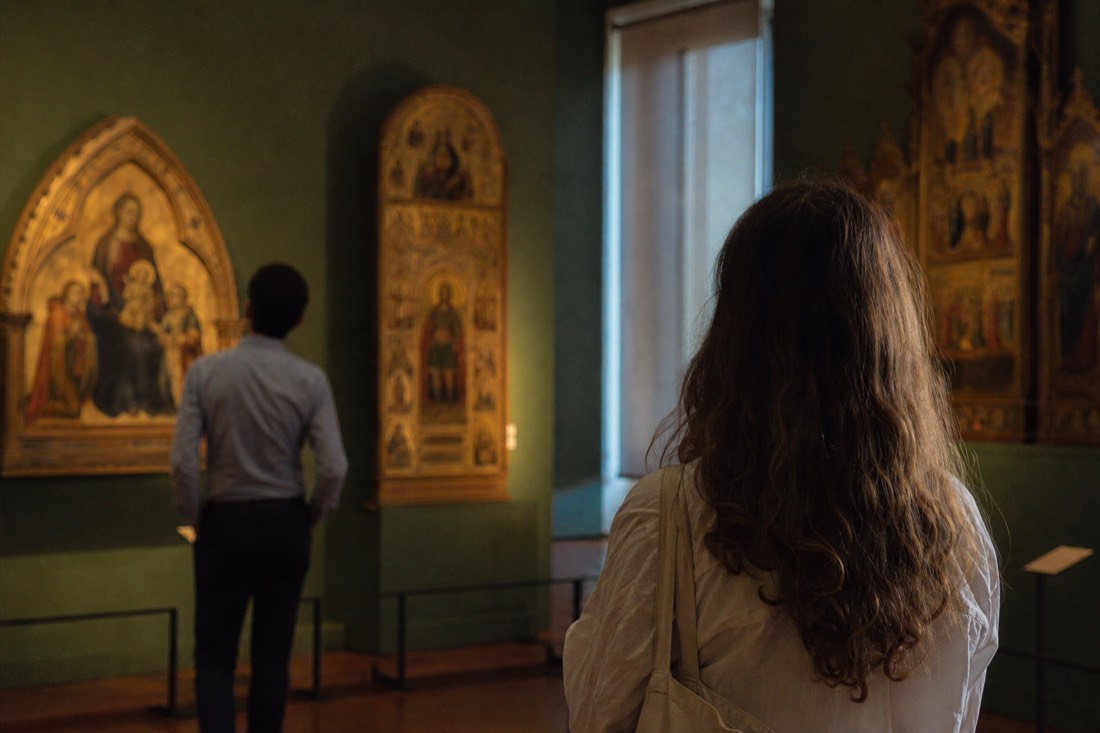
I will happily talk certain travellers out of coming. The museum is compact, essentially one great corridor with satellite rooms, and there is no sprawling collection to lose yourself in. At midday in high season the tribune gets loud and elbow-to-elbow, which flattens exactly the awe you came for. Those visitors are usually happier taking the quiet slots I describe in the best time to visit, or skipping the interior entirely and enjoying the free replica outside the Palazzo Vecchio, which from thirty metres reads almost the same.
The comparison people actually wrestle with is the Uffizi, and they are different animals: one focused hour built around a single overwhelming object versus three-plus hours through the history of painting. I keep a room-by-room comparison in Uffizi vs Accademia, but the short grid runs like this.
| You are... | My honest verdict |
|---|---|
| A first-time Florence visitor | Go. It is the city's one unmissable interior |
| Travelling with children | Go. Ninety minutes is a child-sized museum, and under 18s are free |
| On a second visit, art-fatigued | Consider the Bargello combo instead, Donatello's David waits there |
| Indifferent to sculpture and painting | Skip it without guilt, and skip the Uffizi too |
| A sculpture obsessive | Go twice. The Prisoners reward a second pass |
How do you make the visit actually worth it?
Book a timed slot in advance, aim for 8:15 or after 16:00, and give the visit a full unhurried hour. The statue rewards slow looking: circle it, sit on the bench behind, watch the hands. A rushed midday walk-through is how people leave underwhelmed.
Whether the Accademia feels transcendent or ordinary comes down to logistics more than taste. Britannica's entry on the statue can tell you that Michelangelo was 26 when he took on the abandoned block; what it cannot convey is the difference between meeting the result in a hushed 8:30 tribune and fighting for sightlines at noon. Same marble, entirely different memory.
So stack the visit in your favour. Take the earliest or latest slot you can get. Walk the corridor of Prisoners slowly before you let yourself reach David. If you would rather have the art history unpacked in person, a live-guided visit is a separate and pricier option than plain entry, and it is worth reading how a guided tour, the audio guide, and a plain ticket actually compare before you pay for the upgrade; when you want it, you can check the guided tour here. Sit for ten minutes once the first shock passes, because the statue changes as you move around it, and the profile view from the right is the one almost everyone misses. Check the times offered for your date; neither availability nor a quiet room is guaranteed.
How does David compare with Florence's other famous sights?
Against the Uffizi, the Duomo climb and the Bargello, the Accademia is the shortest and most single-minded of the city's headline stops: one focused hour built around one overwhelming object. The Uffizi asks three hours of painting, the Duomo asks your legs, the Bargello rewards a sculpture obsession. David is the fastest route to a Florence memory that stays.
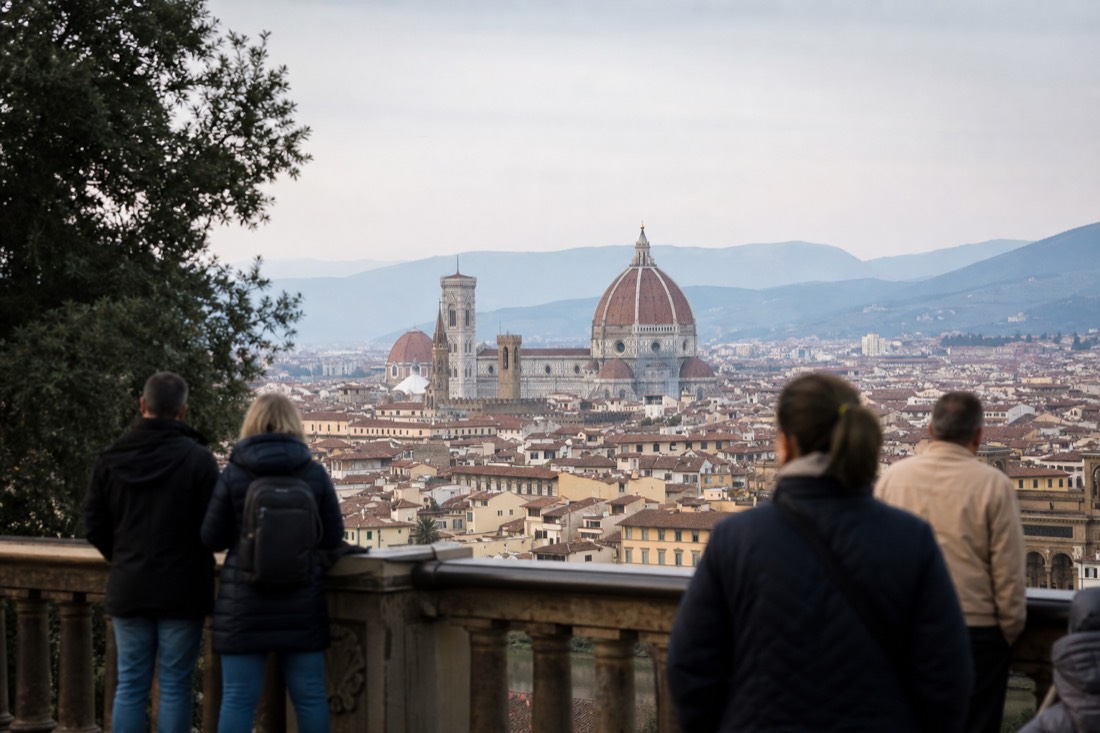
Every one of these stops earns its place, but they ask very different things of a visitor and hand back different rewards. The Accademia is the low-effort, high-payoff option: a booked slot, an hour of quiet looking, and you have met the most famous statue on earth in the flesh. The Uffizi is the opposite trade, a long immersive march through the history of painting that repays people who already care about it and tires those who do not.
Set them side by side and the choice usually sorts itself by how much time and stamina you have that day. If David is the one thing you want, nothing else on this list gets you there faster.
| Sight | What it asks of you | Honest time | The payoff |
|---|---|---|---|
| Accademia | A booked slot and slow looking | 60-90 minutes | The original David, up close and indoors since 1873 |
| Uffizi | Stamina and some love of painting | 3-plus hours | The sweep of Renaissance painting |
| Duomo dome climb | Legs, patience, a head for heights | A slow queue plus the climb | The rooftop view over the whole city |
| Bargello | A genuine taste for sculpture | About an hour | Donatello's bronze David, far fewer crowds |
Where does the Accademia fit in a single day in Florence?
Slot it first thing at 8:15, before the city fully wakes, then let the day open outward. A focused hour with David at opening leaves the rest of the day for the Uffizi, lunch and a wander, and it dodges the midday crush that flattens the tribune. The Accademia is a morning anchor, not an afternoon afterthought.
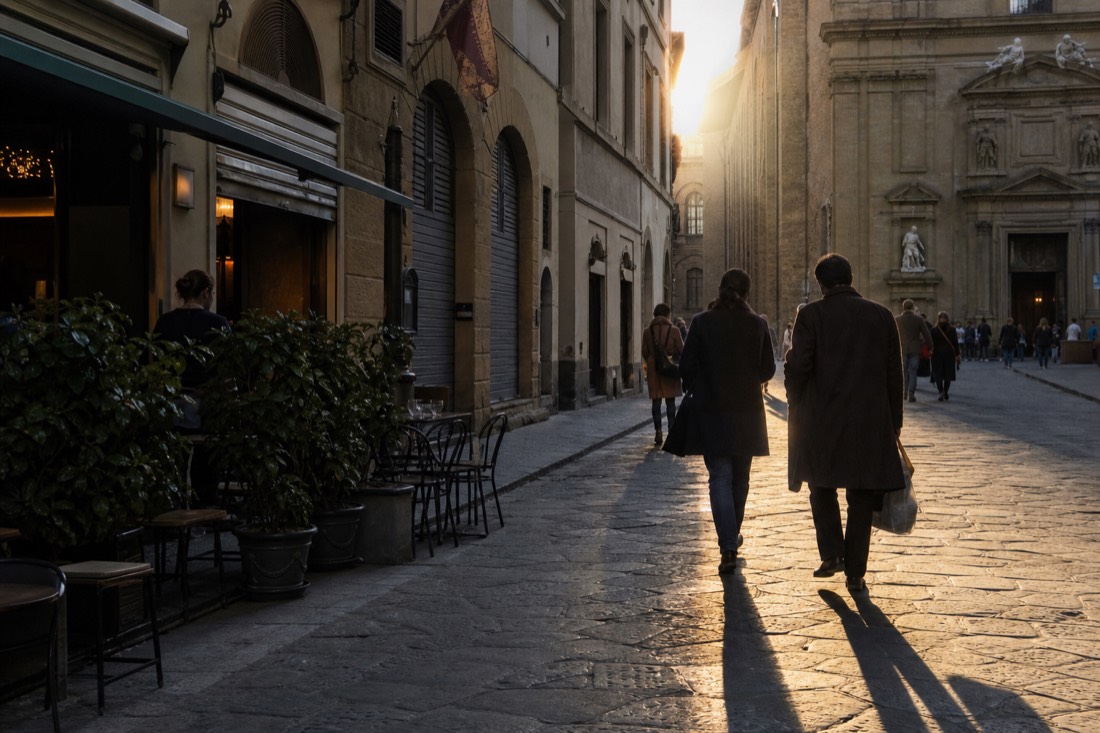
The single biggest lever on whether the visit feels transcendent is when in the day you take it. Put David at the front, in the first slot, and you get the hushed tribune almost to yourself. Everything after that is downhill in the good sense. Push the Accademia to midday and you fight for sightlines exactly where the awe is supposed to land.
Here is the shape of a day I would happily build for guests who want David without surrendering the rest of Florence to a museum queue. Pair it with the pacing in Uffizi and Accademia in one day if you mean to do both big galleries.
| Time | Where | Why then |
|---|---|---|
| 8:15 | Accademia, first slot | Empty tribune, David nearly to yourself |
| Mid-morning | Coffee near Via Ricasoli, slow start | The shock of the statue settles best over espresso |
| Late morning | Uffizi on an advance ticket | You arrive fresh, before the afternoon wall of people |
| Afternoon | Lunch, wander, the Duomo exterior | Legs-and-eyes time once the two galleries are done |
Why do some people still call the Accademia overrated?
Almost always it comes down to how they visited, not what they saw. A rushed noon walk-through in a loud tribune hands you a crowd and a glimpse, not the statue. In the groups I guide, the people who call it a letdown nearly all arrived at the busiest hour and gave David ten minutes. The fix is slower, quieter, earlier.
I have guided more than a thousand people through this building since 2022, and the word "overrated" has a very consistent backstory when I hear it. It follows a bad slot, not a bad statue. Someone booked noon in July, queued through security into a heaving tribune, took a photo over three rows of heads, and left in fifteen minutes convinced the fuss was manufactured. They never actually saw David. They saw a room with David in it.
The other version is the visitor who walked straight to the tribune and skipped everything on the way. The Prisoners are the whole argument for how sculpture happens, four figures half-born from their marble, and rushing past them thins the visit to a single object. None of this is a flaw in the museum. It is a flaw in the timing, and timing is the one thing entirely in your hands.
| The complaint | The real cause | What fixes it |
|---|---|---|
| "It was just one statue" | Skipped the Prisoners and the side rooms | Walk the corridor slowly before you reach David |
| "Too crowded to enjoy" | A midday high-season slot | Take the 8:15 window or one after 16:00 |
| "Over too fast" | Ten rushed minutes and a photo | Sit on the bench, circle him, look from the right |
Quick questions
Is the Accademia worth it just for David?
Yes. Most visitors come for him alone and leave satisfied. The original has been here since 1873, and the 5.17-metre figure in person is a different experience from any replica or photo. The Prisoners on the way in are a genuine bonus rather than filler.
How long do you really need inside?
Sixty to ninety minutes covers the museum properly, including slow time with David and the Prisoners. Art lovers can stretch to two hours with the paintings and Medici instruments, but almost nobody needs three.
Is seeing the replica outside good enough?
The 1910 replica in Piazza della Signoria gives you the pose and the setting for free, and for genuinely art-indifferent travellers it can be enough. It does not give you the carving: the hands, the veins, the surface. That lives only on Via Ricasoli.
Is the Accademia or the Uffizi better with limited time?
With one museum slot, most first-timers should take the Accademia: one focused hour, one unforgettable object. The Uffizi asks three hours and rewards people who already care about painting. They are closed the same day, Monday, so plan around it.
Your Next Step
Check Your Florence Date
Accademia Timed Entry
Have your travel date in mind? Explore David, the Prisoners and the other permanent rooms at your own pace. Check the start and meeting details before arranging your next stop.
60 minutes suggested; allow extra time for security. Meet at Via Ricasoli 45 blue, 15 minutes early; bring matching ID for every visitor. No live guide or luggage storage.
Initial editorial suggestion. Confirm the option, party requirements and final total before paying.
Scheduled departures load automatically. Final availability and price are confirmed on Viator.
A scheduled start is not a confirmed place. Your date is a planning aid; select it again on Viator.
No verified option fits those choices. Adjust the controls or reset to the general suggestions.
Compare Options And Fit This To Your Visit
Accademia Timed Entry: Explore David, the Prisoners and the other permanent rooms at your own pace. 60 minutes suggested; allow extra time for security. Meet at Via Ricasoli 45 blue, 15 minutes early; bring matching ID for every visitor. No live guide or luggage storage.
Accademia With An English Guide: See David with an English-speaking guide, then stay inside to explore independently. 65 minutes; admission and headsets included. Meet at Via Ricasoli 39, 15 minutes early. No hotel pickup, meals or luggage storage.
Private Accademia Art Tour: Discuss David and the unfinished sculptures with your own art historian guide. 2 hours; admission included. Selected central hotels offer walking pickup, not a car transfer. Confirm your exact hotel or meeting point with the operator.
Uffizi Reserved Entry: Explore Botticelli and the Renaissance painting galleries independently. Allow 1–2 hours or longer. Admission included; no live guide. Meet the host by the Niccola Pisano statue at Piazzale degli Uffizi 6; bring matching ID.
Private Florence With Both Galleries: Visit David, the Uffizi and central Florence on one guided itinerary. 6 hours; both gallery admissions and guide included. Meet and finish at Neptune fountain in Piazza della Signoria. Lunch and hotel pickup excluded.
Affiliate links may earn us a commission at no extra cost to you. Booking is completed with the provider.