2026-07-22
Michelangelo Facts the Audio Guides Skip
A Florence guide shares the Michelangelo facts audio guides skip: the broken nose, the Leonardo feud, 300 poems, and the rejected block that became David.
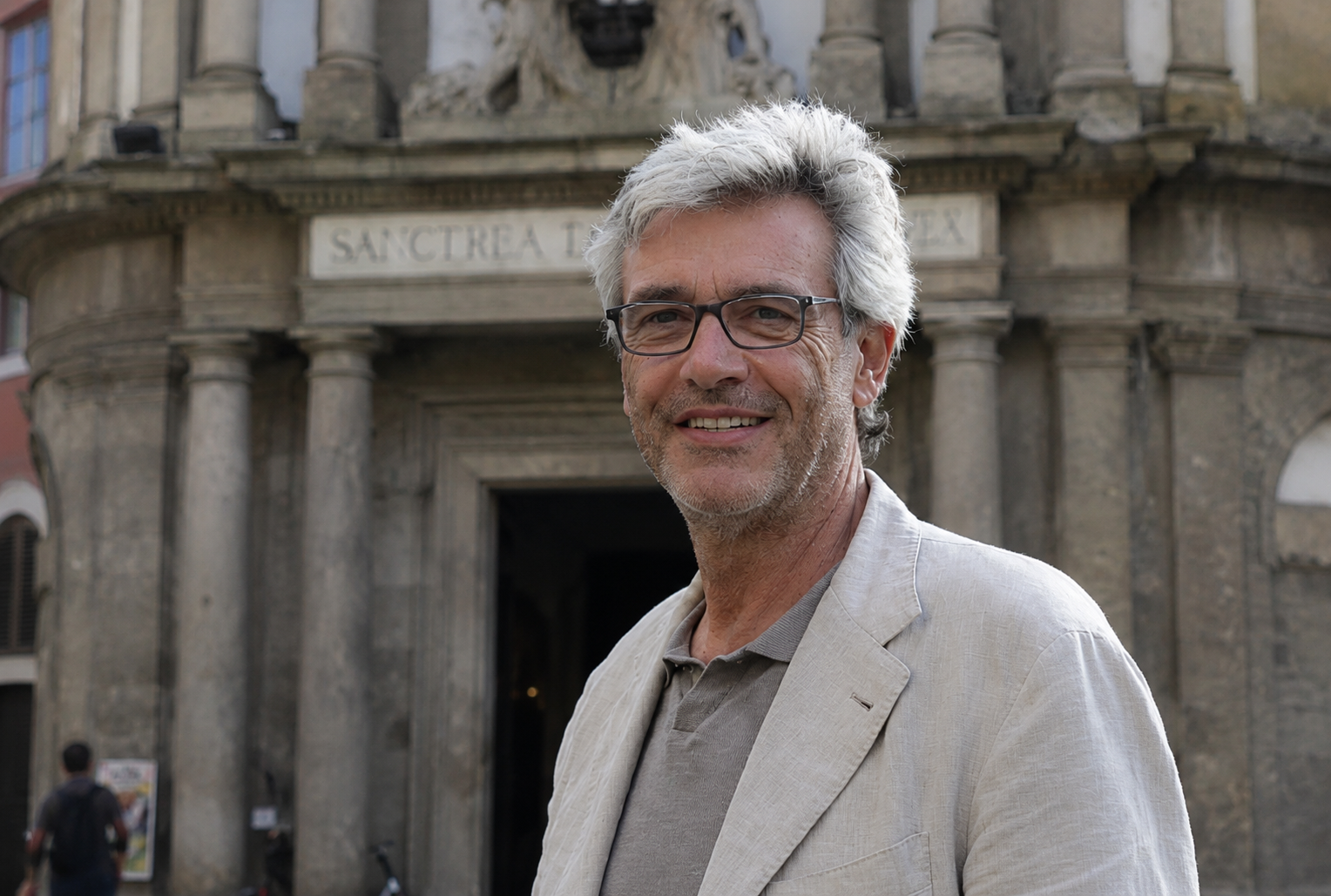 By Luca Moretti, Florence Accademia Gallery guide and skip-the-line specialist
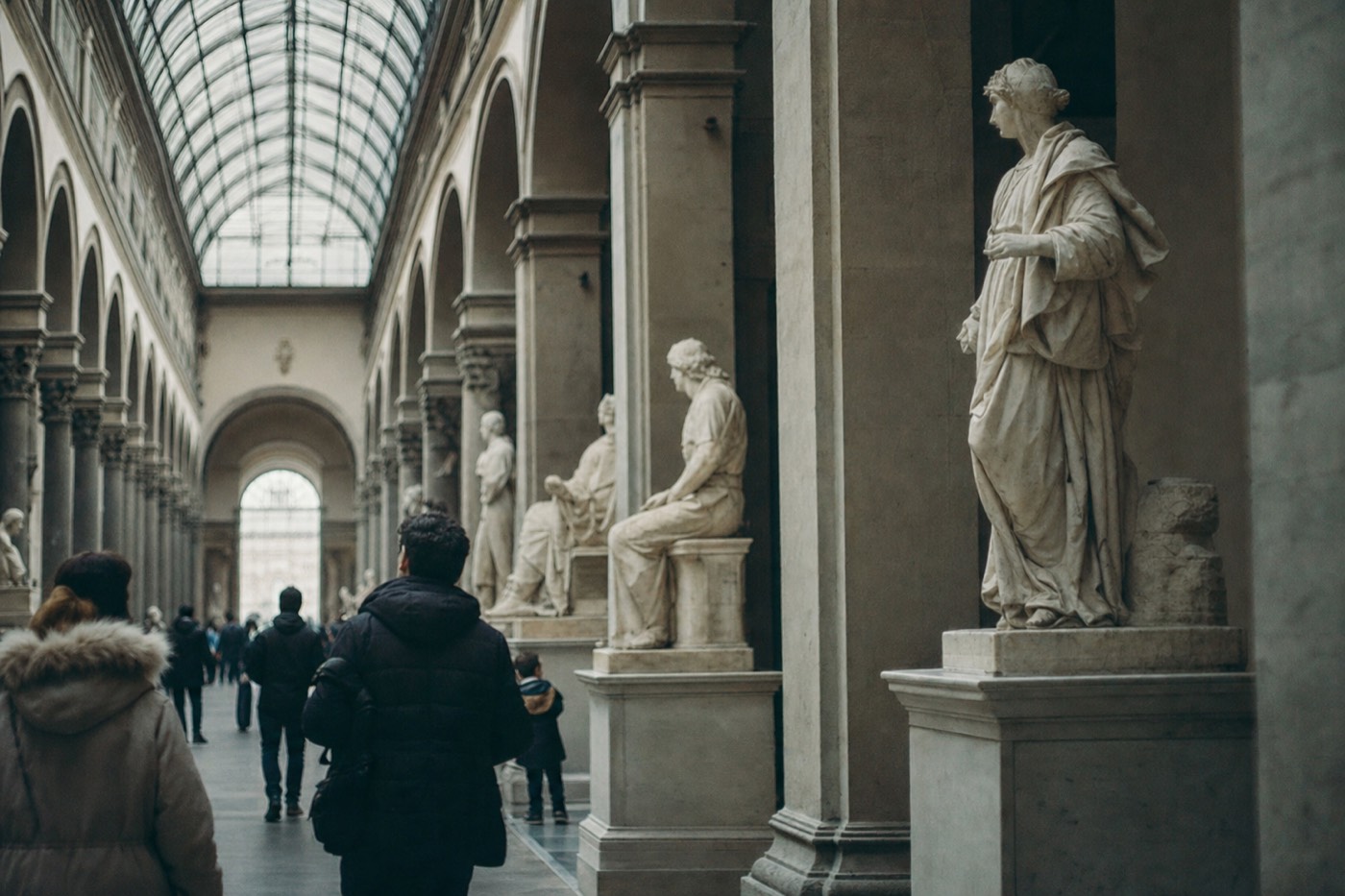
Six minutes. That is roughly what the average audio guide gives Michelangelo before it moves you along, and it spends most of those minutes on numbers you could read off the wall label. I guide in these rooms most weeks, more than a thousand guests since 2022, and I know the exact moment people lean in. It is never "carved from a single block of Carrara marble." It is the broken nose. The feud. The poems. The old man still swinging a mallet at 88. So here is my personal list, the stories I tell under the statue while the recorded voices hurry everyone else past.
Who broke Michelangelo's nose?
Pietro Torrigiano, a fellow teenage sculptor, punched Michelangelo during a quarrel while the two were copying frescoes in Florence. The blow crushed the bridge of his nose and marked his face for life. Torrigiano was banished from the city for it, and every later portrait shows the flattened profile.
Picture two ambitious teenagers sketching side by side, day after day, one of them impossible to out-draw and not shy about saying so. Torrigiano's fist ended the argument, and the punishment tells you how seriously Florence took its prodigy: the puncher had to leave town. Michelangelo kept the face. When guests study David's flawless straight nose, I like pointing out that the man who carved it never saw one in his own mirror again.
The nose was a fistfight. The real feud was fought with brushes. In 1504 the city handed Michelangelo and Leonardo da Vinci opposing walls of the great council hall in the Palazzo Vecchio, the Battle of Anghiari for the older man and the Battle of Cascina for the younger, a public duel between the two most famous artists alive. Neither wall was ever finished. And that same year, when the completed David needed a home, the choice went to a committee of about thirty citizens that included Leonardo and Botticelli. Michelangelo did not get a seat. His rival helped decide where his masterpiece would stand.
| The 1504 collision | Leonardo | Michelangelo |
|---|---|---|
| Wall assigned in the Palazzo Vecchio | Battle of Anghiari | Battle of Cascina |
| How the fresco ended | Abandoned, unfinished | Abandoned, unfinished |
| Seat on the David placement committee | Yes | No, he was the one being judged |
Two geniuses, one room, zero finished battle scenes. Florence in 1504 was a small town with too much talent in it.
Did Michelangelo think of himself as a painter?
No. He identified as a sculptor his whole life and, as his early biographers tell it, resisted the Sistine ceiling commission when it arrived. The only work he ever signed was not a painting at all but the St Peter's Pieta, finished when he was in his early twenties. He also left more than 300 poems.
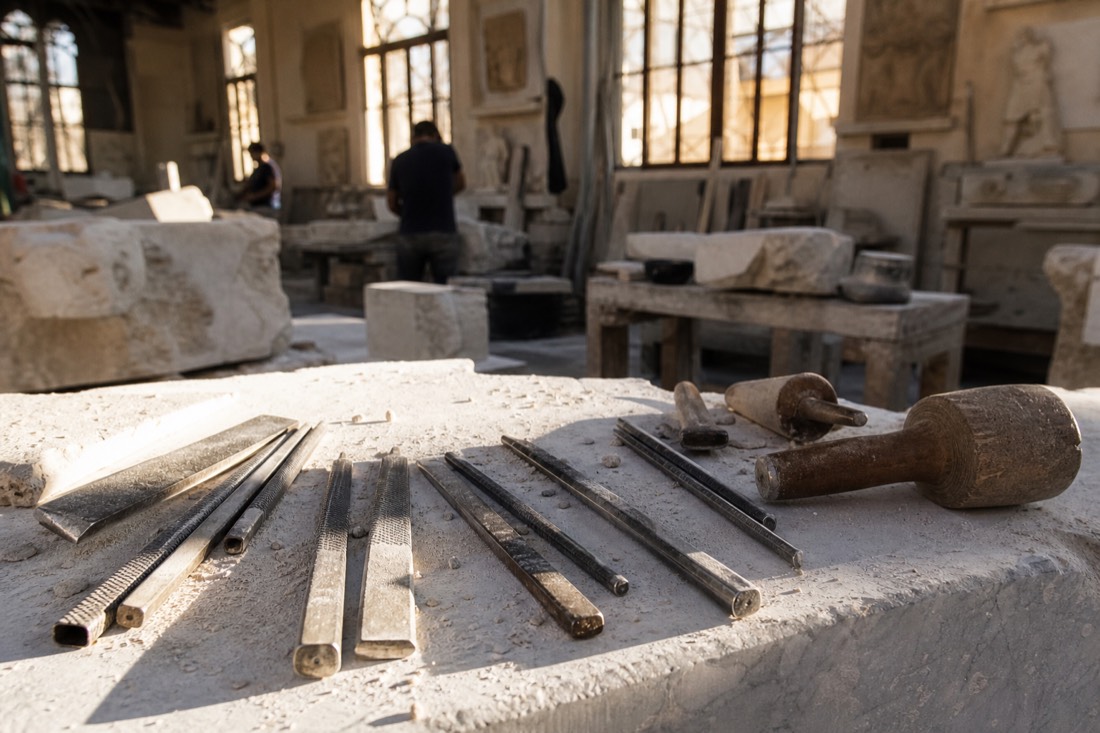
The signature story is my favorite of the three. The Pieta in St Peter's, carved when he was 23 or 24, carries his name cut into the sash across Mary's chest, and he never signed anything again. One signature, placed on a sculpture, at the very start. That is a man telling you what he is.
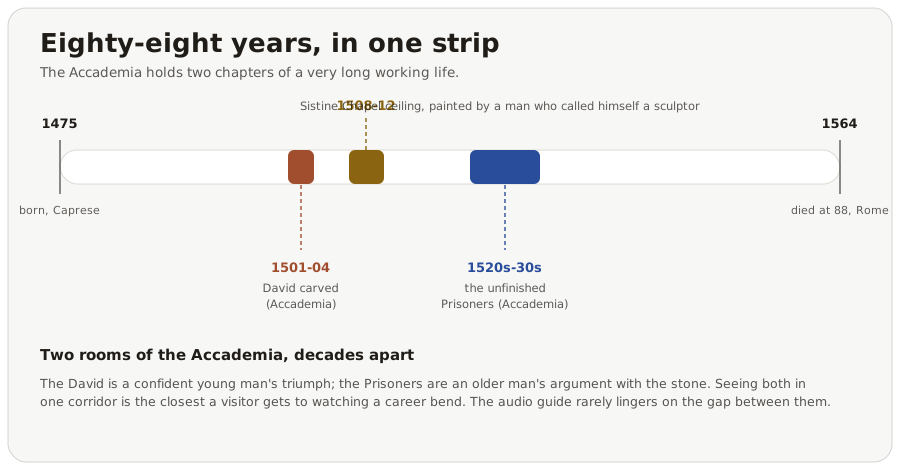
The poetry surprises people even more. Over 300 poems survive, mostly sonnets and madrigals, by turns devout, lovesick and bitterly funny about his own body and his own work. Nobody expects the maker of David to have been a poet with a persecution complex, yet the verses are real and they are good. And the sculptor's mind is nowhere clearer than one room away from David, in the unfinished Prisoners, four figures from the 1520s meant for Pope Julius II's tomb and never completed. Half-freed bodies still fused to raw stone: his whole philosophy of carving, abandoned mid-sentence where you can walk right up to it.
What is the real story of David's marble block?
David came out of a block other sculptors had already given up on. Agostino di Duccio roughed it out around 1464, Antonio Rossellino tried again around 1476, and the scarred marble then lay abandoned for decades until Michelangelo, 26 years old, took over in 1501 and finished the figure in 1504.
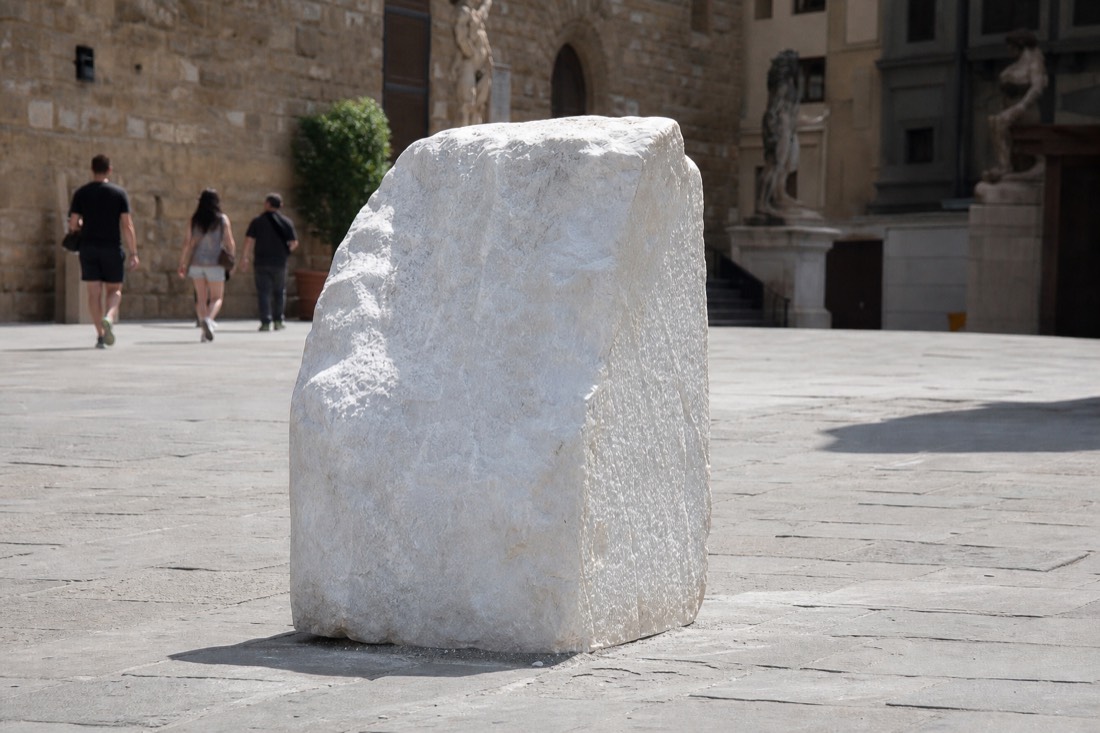
Audio guides love "carved from a single block." The better fact is that it was a rejected block, tall, shallow, already gouged by two earlier hands, which is precisely why the statue's proportions had to be solved like a puzzle. A 26-year-old took the commission nobody had managed in forty years and produced the most famous sculpture on earth. His fee ran to roughly 400 florins across the three years, and whether that made him rich or robbed is a story of its own; I run the numbers in how much Michelangelo was paid.
Check the times offered for your date; neither availability nor a quiet room is guaranteed.
| David, measured | |
|---|---|
| Height | 5.17 m |
| Weight | About 5,660 kg including the base |
| Carved | 1501 to 1504 |
| Michelangelo's age at the start | 26 |
| Recorded pay | Roughly 400 florins |
| Indoors at the Accademia since | 1873 |
The statue stood outdoors on Piazza della Signoria for nearly four centuries before the 1873 move indoors, and the figure on the piazza today is a replica placed there in 1910. For a slow reading of the original, the oversized right hand, the worried eyes, the sling you almost miss, I wrote a full guide to Michelangelo's David.
How old was Michelangelo when he died?
Eighty-eight, and still working. Michelangelo died in Rome on 18 February 1564, having carved on the Rondanini Pieta until days before the end. Born in 1475, he kept a chisel in hand across roughly seven decades, and Florence spent 2025 celebrating his 550th birthday.
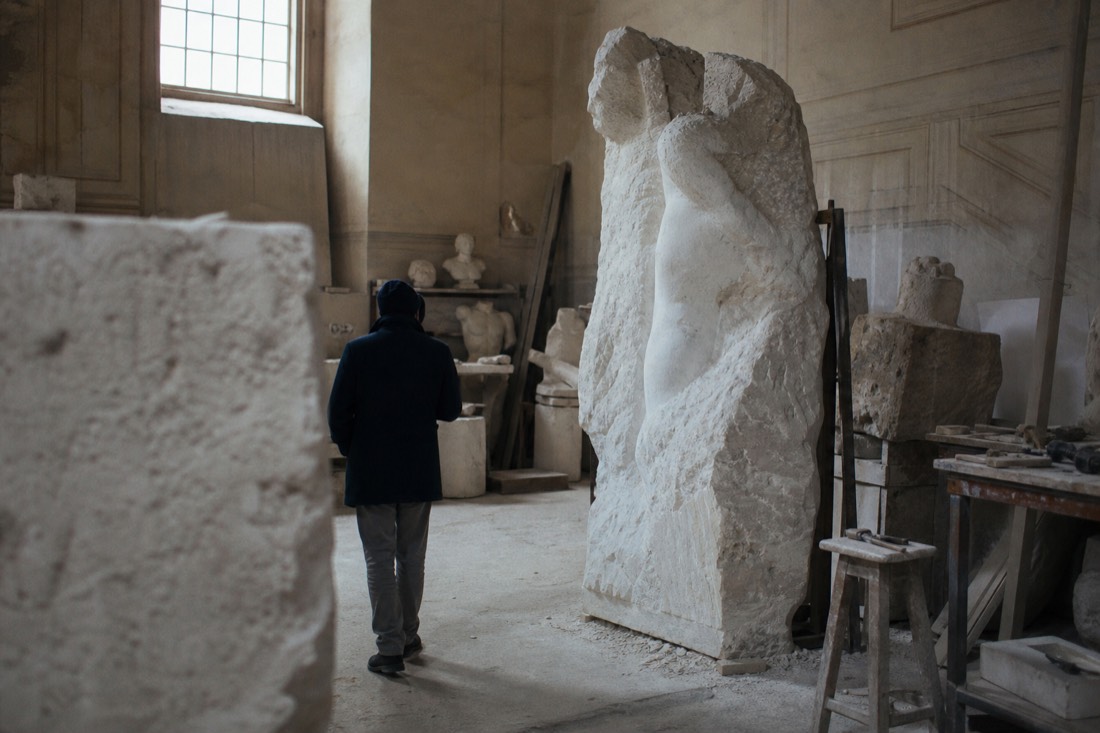
Sit with that for a second. A man born before Columbus sailed was still reworking a Pieta in the 1560s, unhappy with it, cutting away finished portions to try again. Most artists get one act. He got five, and he spent the last one dismantling his own late work in search of something simpler.
| Year | His age | What happened |
|---|---|---|
| 1475 | 0 | Born; Florence marked the 550th anniversary through 2025 |
| 1498-1499 | 23-24 | Finishes the St Peter's Pieta, his only signed work |
| 1501-1504 | 26-29 | Carves David from the abandoned block |
| c. 1520s | His 40s and 50s | The four Prisoners, meant for a papal tomb, left unfinished |
| 1564 | 88 | Dies in Rome, the Rondanini Pieta still in progress |
The anniversary has kept his home city busy, and the ripples are still moving through 2026.
If you are deciding which collection gets your one museum morning in Florence, my blunt Uffizi vs Accademia comparison settles it by traveler type. But whichever you choose, do this when you reach David: skip the height and the dates, and look at the nose he gave the boy. Perfectly straight. The man who carved it never saw one in the mirror again, and no recorded voice will tell you that as you pass.
Your Next Step
Check Your Florence Date
Accademia With An English Guide
Have your travel date in mind? See David with an English-speaking guide, then stay inside to explore independently. Check the start and meeting details before arranging your next stop.
65 minutes; admission and headsets included. Meet at Via Ricasoli 39, 15 minutes early. No hotel pickup, meals or luggage storage.
Initial editorial suggestion. Confirm the option, party requirements and final total before paying.
Scheduled departures load automatically. Final availability and price are confirmed on Viator.
A scheduled start is not a confirmed place. Your date is a planning aid; select it again on Viator.
No verified option fits those choices. Adjust the controls or reset to the general suggestions.
Compare Options And Fit This To Your Visit
Accademia With An English Guide: See David with an English-speaking guide, then stay inside to explore independently. 65 minutes; admission and headsets included. Meet at Via Ricasoli 39, 15 minutes early. No hotel pickup, meals or luggage storage.
Accademia Timed Entry: Explore David, the Prisoners and the other permanent rooms at your own pace. 60 minutes suggested; allow extra time for security. Meet at Via Ricasoli 45 blue, 15 minutes early; bring matching ID for every visitor. No live guide or luggage storage.
Accademia Entry And Audio Options: Choose an independent visit with a phone audio guide, or select a licensed guided option. About 1 hour. Permanent exhibitions included. Audio and guided inclusions depend on the option selected. Bring ID, a charged phone and headphones; arrive 10–15 minutes early at the option’s meeting point. Large bags prohibited.
Private Accademia Art Tour: Discuss David and the unfinished sculptures with your own art historian guide. 2 hours; admission included. Selected central hotels offer walking pickup, not a car transfer. Confirm your exact hotel or meeting point with the operator.
Affiliate links may earn us a commission at no extra cost to you. Booking is completed with the provider.